
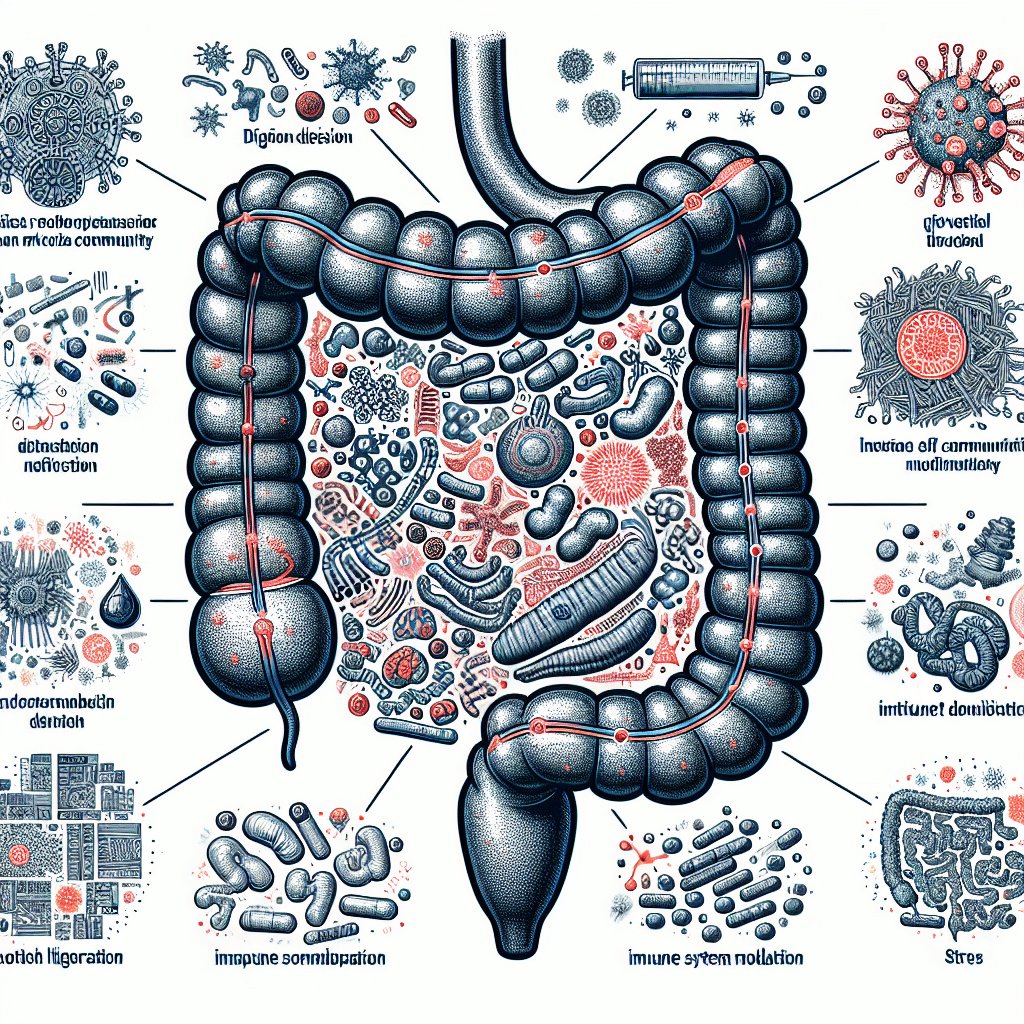
Gut microbiota, the collection of microorganisms that reside in our digestive system, plays a crucial role in maintaining our overall health. These microscopic organisms, including bacteria, viruses, and fungi, not only aid in digestion but also support our immune system, produce essential vitamins, and even influence our mood. With such a profound impact on our well-being, understanding and nurturing our gut microbiota is key to maintaining a healthy body and mind. In this article, we will explore the importance of gut microbiota for our health and the steps we can take to cultivate a thriving gut flora.

The Basics of Gut Microbiota
Definition of Gut Microbiota
Gut microbiota, also known as gut flora or gut microbiome, refers to the diverse community of microorganisms that inhabit the human digestive tract. These microorganisms include bacteria, fungi, viruses, and other microbes. They play a crucial role in maintaining the overall health and well-being of the individual.
Composition of Gut Microbiota
The gut microbiota is composed of trillions of microorganisms, with bacterial species being the most abundant. The composition of gut microbiota varies from person to person and is influenced by numerous factors such as genetics, diet, environment, and early life experiences. While everyone’s gut microbiota is unique, certain bacterial species are commonly found in a healthy gut, including Bacteroidetes, Firmicutes, Actinobacteria, and Proteobacteria.
Factors Affecting Gut Microbiota
Several factors can influence the composition and diversity of gut microbiota. Dietary choices, such as the consumption of high-fiber foods, are known to promote the growth of beneficial bacteria. Antibiotic use can disrupt the balance of gut microbiota by killing both harmful and beneficial bacteria. Other factors, such as chronic stress, lack of sleep, and Western lifestyle, can also negatively impact the diversity and balance of gut microbiota.
Role of Gut Microbiota in Digestion
Breakdown of Complex Carbohydrates
One of the primary functions of gut microbiota is to break down complex carbohydrates that our body cannot digest on its own. Bacterial species, such as Bacteroidetes and Firmicutes, produce enzymes that can break down dietary fibers, resistant starches, and other complex carbohydrates. This process allows the gut microbiota to extract energy from these indigestible components and produce short-chain fatty acids, such as butyrate, which are essential for gut health.
Production of Vitamins and Nutrients
Gut microbiota also plays a crucial role in producing essential vitamins and nutrients. Certain bacterial species have the ability to synthesize vitamins, such as vitamin K, vitamin B12, and biotin, which are involved in various metabolic processes in the body. Additionally, gut microbiota can produce other beneficial compounds, including amino acids, fatty acids, and neurotransmitters that contribute to overall health and well-being.
Enhancement of Nutrient Absorption
The presence of a healthy gut microbiota is vital for proper nutrient absorption. Gut bacteria help in the digestion and absorption of nutrients by breaking down complex molecules into simpler forms that can be easily absorbed by the body. They also maintain the integrity of the intestinal lining, preventing the entry of harmful substances while allowing the absorption of essential nutrients.
Influence of Gut Microbiota on the Immune System
Development of the Immune System
Gut microbiota plays a critical role in the development and maturation of the immune system, especially during early life. The presence of diverse and beneficial microorganisms in the gut helps train the immune system to differentiate between harmless and harmful substances. This early immune education provided by gut microbiota is crucial for the proper functioning of the immune system throughout life.
Regulation of Immune Response
Gut microbiota helps regulate the immune response, ensuring that it is balanced and appropriate. It helps prevent overactive immune responses, which can lead to allergies, autoimmune diseases, and chronic inflammation. The presence of beneficial bacteria stimulates the production of anti-inflammatory compounds and promotes the development of regulatory immune cells, which help maintain immune homeostasis.
Protection Against Pathogens
A healthy gut microbiota acts as a barrier against pathogens by competing for resources and space in the intestine. Beneficial bacteria produce antimicrobial substances that inhibit the growth of harmful bacteria and fungi. They also strengthen the intestinal barrier, preventing the invasion of pathogens into the bloodstream. A diverse and balanced gut microbiota is essential for a strong immune defense against infectious diseases.
Impact of Gut Microbiota on Mental Health
Communication via the Gut-Brain Axis
The gut microbiota communicates with the brain through the gut-brain axis, a bidirectional communication system. This communication occurs through neural, hormonal, and immune pathways. The gut microbiota produces and responds to neurotransmitters, hormones, and other signaling molecules that can influence brain function and behavior. This connection between the gut and the brain highlights the role of gut microbiota in mental health.
Production of Neurotransmitters
Gut microbiota is involved in the production of various neurotransmitters, including serotonin, dopamine, and gamma-aminobutyric acid (GABA). These neurotransmitters play a crucial role in regulating mood, behavior, and cognitive function. Imbalances in gut microbiota can disrupt the production of these neurotransmitters, potentially leading to mental health disorders such as depression, anxiety, and even neurodevelopmental disorders.
Effects on Mood and Behavior
Emerging research suggests that gut microbiota can influence mood and behavior. The production and regulation of neurotransmitters by gut bacteria can impact mood and emotional well-being. Additionally, imbalances in gut microbiota have been associated with behavioral changes, such as increased anxiety-like behaviors and altered social behavior in animal studies. Further research is needed to fully understand the intricate relationship between gut microbiota and mental health.
Connection Between Gut Microbiota and Weight Management
Regulation of Energy Balance
Gut microbiota plays a role in regulating energy balance in the body, which can influence weight management. Certain bacteria in the gut can extract more calories from the diet, leading to increased energy absorption. On the other hand, some bacteria produce short-chain fatty acids that can regulate appetite and energy expenditure, promoting weight loss.
Influence on Metabolism
Gut microbiota can influence metabolism by modulating the expression of genes involved in metabolic processes. It has been observed that individuals with obesity have a different composition of gut microbiota compared to lean individuals. This difference in gut microbiota composition can affect the metabolism of nutrients, leading to increased fat storage and a higher risk of obesity.
Effects on Appetite and Food Cravings
Certain bacteria in the gut can produce molecules that affect appetite and food cravings. For example, some bacteria can produce peptide YY (PYY) and glucagon-like peptide-1 (GLP-1), which are hormones that reduce appetite. On the other hand, imbalances in gut microbiota can lead to increased production of ghrelin, a hormone that stimulates appetite, potentially contributing to overeating and weight gain.
Relationship Between Gut Microbiota and Heart Health
Impact on Cholesterol Levels
Gut microbiota can influence cholesterol metabolism and impact heart health. Certain bacterial species have been shown to promote the excretion of bile acids, which are involved in cholesterol metabolism. By modulating the metabolism of bile acids, gut microbiota can affect the levels of cholesterol in the body. High levels of cholesterol are a risk factor for heart disease, and a healthy gut microbiota may help maintain healthy cholesterol levels.
Inflammation and Heart Disease
Inflammation plays a significant role in the development of heart disease. Imbalances in gut microbiota can lead to a state of chronic low-grade inflammation, known as metabolic endotoxemia. This chronic inflammation can contribute to the development of atherosclerosis and other cardiovascular diseases. A diverse and balanced gut microbiota can help reduce inflammation and support heart health.
Regulation of Blood Pressure
Emerging research suggests that gut microbiota can influence blood pressure regulation. Certain bacteria in the gut produce compounds called short-chain fatty acids (SCFAs), which have been shown to lower blood pressure. SCFAs can regulate blood vessel function and reduce inflammation, contributing to the maintenance of healthy blood pressure levels. An imbalance in gut microbiota can disrupt the production of SCFAs and potentially contribute to hypertension.
Association of Gut Microbiota with Autoimmune Diseases
Role in Autoimmune Disease Development
Gut microbiota has been implicated in the development of various autoimmune diseases, including rheumatoid arthritis, multiple sclerosis, and type 1 diabetes. Imbalances in gut microbiota can lead to dysregulation of the immune system, promoting the development of autoimmunity. The presence of specific bacterial species or changes in the overall diversity of gut microbiota have been associated with an increased risk of autoimmune diseases.
Modulation of Immune System Dysregulation
Gut microbiota can help modulate immune system dysregulation and mitigate the risk of autoimmune diseases. The presence of diverse and beneficial bacteria in the gut helps maintain immune homeostasis and promotes the development of regulatory immune cells. By promoting a balanced immune response, the gut microbiota can help prevent the development or progression of autoimmune diseases.
Inflammatory Bowel Disease and Gut Microbiota
Inflammatory bowel diseases (IBD), including Crohn’s disease and ulcerative colitis, are characterised by chronic inflammation in the gastrointestinal tract. The gut microbiota plays a significant role in the development and progression of IBD. Imbalances in the gut microbiota, such as a decrease in beneficial bacteria and an increase in harmful bacteria, can contribute to the inflammation observed in IBD. Understanding and modulating the gut microbiota may offer new therapeutic approaches for managing IBD.
Gut Microbiota’s Connection to Allergies and Asthma
Influence on Allergy Development
Gut microbiota plays a crucial role in modulating the immune system’s response to allergens. The presence of diverse and beneficial bacteria in the gut helps train the immune system to tolerate harmless substances, reducing the risk of allergies. Infants with a reduced diversity of gut microbiota have been shown to be at a higher risk of developing allergies later in life.
Effects on Asthma Severity
Changes in the gut microbiota composition have been observed in individuals with asthma. Imbalances in the gut microbiota can contribute to the severity and frequency of asthma symptoms. Research suggests that certain bacterial species, such as Faecal bacterium and Akkermansia, may have a protective effect against asthma by promoting immune regulation and reducing airway inflammation.
Modulation of Immune Responses
The gut microbiota influences immune responses throughout the body, including in the respiratory system. A healthy gut microbiota helps regulate immune responses, reducing the risk of allergic reactions and asthma exacerbations. By modulating the immune system’s response to allergens, the gut microbiota can play a crucial role in preventing or mitigating allergic diseases.

Factors Disrupting Gut Microbiota Balance
Antibiotic Use and Medications
The use of antibiotics can disrupt the balance of the gut microbiota by killing both harmful and beneficial bacteria. Antibiotics are designed to target specific bacteria that cause infections but can also have unintended consequences for the gut microbiota. Prolonged or frequent antibiotic use can lead to a decrease in gut microbiota diversity, which may have long-term health implications.
Dietary Choices and Western Lifestyle
The Western diet, characterised by high intake of processed foods, sugars, and unhealthy fats, can negatively impact gut microbiota diversity and composition. Consuming a diet low in fiber and essential nutrients deprives the gut microbiota of the resources it needs to thrive. Additionally, sedentary lifestyles and high levels of stress associated with the Western lifestyle can further disrupt the balance of gut microbiota.
Chronic Stress and Lack of Sleep
Chronic stress and a lack of sleep can disrupt the balance of the gut microbiota. Stress and sleep deprivation can alter gut motility, increase intestinal permeability, and impact hormones involved in gut function. These changes can lead to imbalances in the gut microbiota and contribute to digestive issues and overall health problems.
Ways to Promote a Healthy Gut Microbiota
Consumption of Prebiotics
Prebiotics are dietary fibres that serve as food for beneficial bacteria in the gut. Consuming prebiotic-rich foods, such as onions, garlic, bananas, and whole grains, can promote the growth of beneficial bacteria. Gut bacteria ferment these fibres rather than digesting them, which results in the production of advantageous metabolites.
Introducing Probiotic Foods
Probiotics are live bacteria or yeasts that provide health benefits when consumed. Incorporating probiotic-rich foods into the diet, such as yogurt, kefir, sauerkraut, and kimchi, can help introduce beneficial bacteria into the gut. Probiotics can help restore gut microbiota balance, support digestion, and boost the immune system.
Diversifying Diet with Fibre-Rich Foods
Consuming a diverse range of fibre-rich foods can help support a healthy gut microbiota. Fibre acts as a prebiotic, promoting the growth of beneficial bacteria. Incorporating fruits, vegetables, whole grains, legumes, and nuts into the diet can provide a variety of fibres, supporting gut health and overall well-being.
In conclusion, the gut microbiota plays a vital role in various aspects of human health, from digestion to immune function, mental health, weight management, heart health, autoimmune diseases, allergies, and asthma. Diet, medications, stress, and sleep are just a few examples of the factors that can affect the gut microbiota’s diversity and composition. Promoting a healthy gut microbiota through dietary choices, incorporating prebiotics and probiotics, and diversifying the diet with fibre-rich foods can have significant benefits for overall health and well-being. Further research in the field of gut microbiota is essential to deepening our understanding of its complexity and potential therapeutic applications.

