

Fasting has been acclaimed for its various health benefits, but could it also improve our gut health? In recent years, there has been a growing interest in the link between fasting and gut health, with researchers and health enthusiasts alike eager to explore the potential benefits. The idea is that by giving our digestive system a break, we may be able to promote a healthier gut microbiome, improve digestion, and even alleviate certain gut-related conditions. In this article, we will explore the fascinating connection between fasting and gut health, uncovering its potential benefits and discussing the current research supporting this intriguing concept.
The Basics of Fasting
Fasting is a practise that involves abstaining from consuming food or drinks for a specific period of time. It has been practised for centuries and is deeply rooted in various cultures and religions. While the duration of fasting can vary, the purpose remains the same: to give the body a break from digestion and allow it to focus on other processes such as healing and cellular repair.
There are different types of fasting that individuals may choose to incorporate into their lifestyle. Intermittent fasting is a popular type in which people limit their eating window to a set time frame, such as 16 hours of fasting and an 8-hour feeding window. Another type of fasting is extended fasting, which involves abstaining from food for longer periods, typically 24 hours or more. Finally, there is the fasting mimicking diet, which is a scientifically developed plan that mimics the benefits of fasting while still providing some nutrients and calories.
Understanding Gut Health
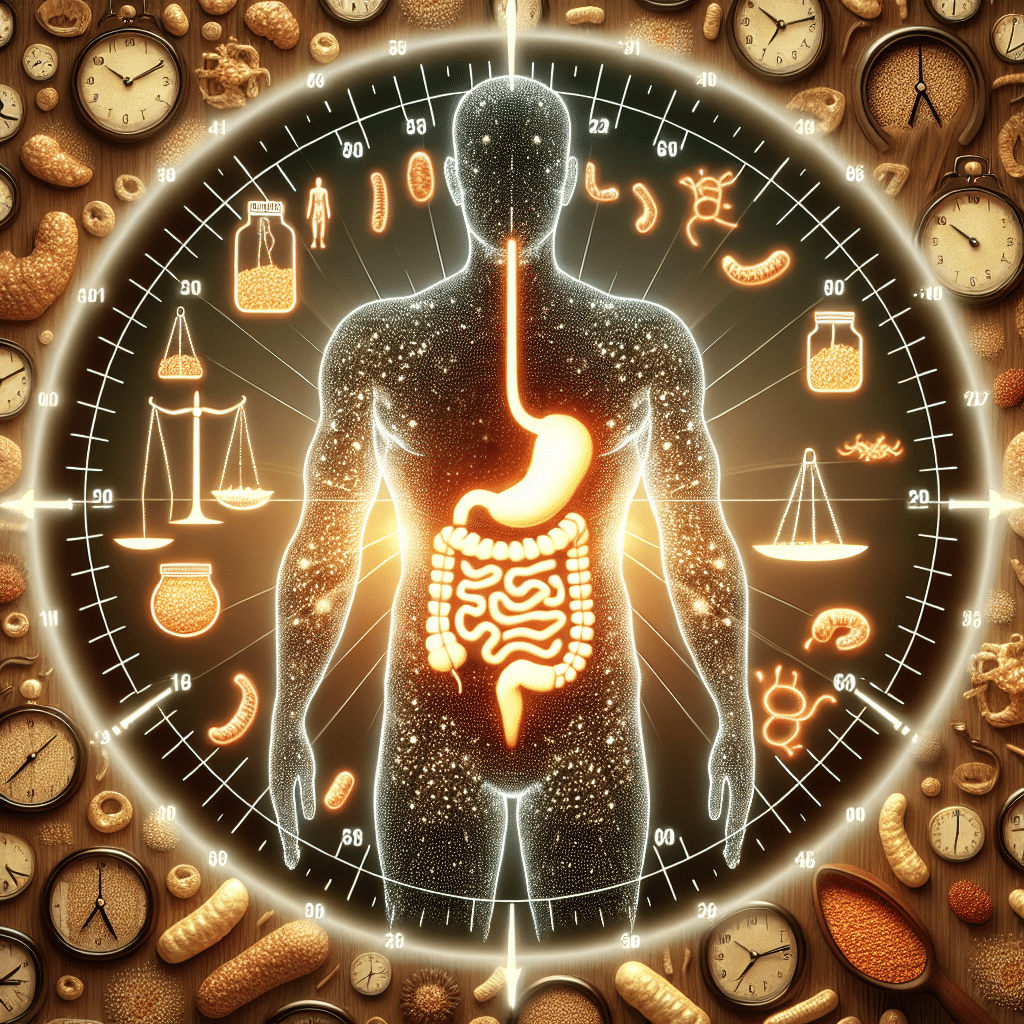
Gut health refers to the overall well-being of the gastrointestinal tract, which includes the stomach and intestines. The gut plays a crucial role in our overall health, as it is responsible for the digestion and absorption of nutrients, the elimination of waste products, and the regulation of the immune system. A healthy gut is essential for maintaining a strong immune system, supporting mental health, and preventing various diseases.
Several factors influence gut health, including diet, lifestyle, genetics, and the presence of certain medical conditions. A diet rich in fibre, whole grains, fruits, and vegetables promotes the growth of beneficial bacteria in the gut and helps maintain a healthy gut microbiota. On the other hand, a diet high in processed foods, sugar, and unhealthy fats can disrupt the balance of bacteria in the gut and lead to inflammation and other gut-related issues.
How Fasting Affects the Gut
Fasting has been shown to have significant effects on gut health. One major impact is the alteration of the gut microbiota, which refers to the trillions of bacteria that reside in our gastrointestinal tract. During fasting, the composition of gut microbiota changes, with a decrease in harmful bacteria and an increase in beneficial bacteria. This shift in the microbiota has been associated with improved gut health and a reduced risk of inflammatory bowel diseases.
Furthermore, fasting has been found to have anti-inflammatory effects on the gut. Inflammation in the gut is a common problem that can lead to a host of gastrointestinal disorders. Studies have shown that fasting can help reduce gut inflammation by reducing the production of pro-inflammatory molecules and promoting the production of anti-inflammatory molecules.
Intestinal permeability is another crucial aspect of gut health that fasting affects. Intestinal permeability refers to the tightness of the junctions between the cells that line the intestinal wall. When these junctions are loose, it can allow toxins, bacteria, and other particles to leak into the bloodstream, leading to inflammation and other health issues. Fasting has been shown to improve intestinal permeability by promoting the regeneration of intestinal cells and tightening the junctions between them.
The Role of Autophagy
Autophagy is a cellular process that involves the recycling and removal of damaged or dysfunctional cellular components. It is a natural mechanism that helps maintain cellular health and prevent the accumulation of toxic substances. Fasting has been found to stimulate autophagy, which can have significant benefits for gut health.
When autophagy is activated, it helps remove damaged cells and clears out toxins and other waste products from the gut. This cleaning process promotes cellular repair and regeneration, which can improve gut function and reduce the risk of gut-related diseases. Additionally, autophagy has been found to have anti-inflammatory effects and can help regulate immune responses in the gut.

Intermittent Fasting and Gut Health
Intermittent fasting, as mentioned earlier, is a popular fasting method that involves cycling between periods of fasting and eating. This approach to fasting has gained attention for its potential benefits for gut health. One major effect of intermittent fasting on gut health is the modulation of the gut microbiota.
Research has shown that intermittent fasting can increase the abundance of beneficial bacteria, such as Bifidobacterial and Lactobacillus, while reducing the levels of harmful bacteria, such as Firmicutes. This shift in microbiota composition can have positive effects on gut health, including improved digestion, reduced inflammation, and enhanced nutrient absorption.
Furthermore, intermittent fasting has been found to enhance the diversity of gut microbiota. A diverse microbial community in the gut is associated with better overall health and a reduced risk of various diseases. By promoting the growth of different types of bacteria, intermittent fasting contributes to a more balanced and resilient gut microbiota.
Extended Fasting and Gut Health
Extended fasting refers to fasting for longer periods, typically 24 hours or more. While intermittent fasting provides regular breaks for the gut to rest and repair, extended fasting takes this concept to another level. During extended fasting, the body enters a state of ketosis, where it starts to burn stored fat for energy instead of relying on glucose from food.
The implications of extended fasting for the gut are not fully understood, but initial research suggests potential benefits. It has been found that extended fasting can induce autophagy more profoundly than intermittent fasting, leading to enhanced cellular repair and renewal in the gut. This can help improve gut function and reduce the risk of gut disorders.
However, it is important to note that extended fasting should be approached with caution, especially for individuals with certain medical conditions or those who are underweight. Extended fasting should always be done under the supervision of a healthcare professional to ensure it is safe and appropriate for individual circumstances.
Fasting Mimicking Diet and Gut Health
The fasting mimicking diet (FMD) is a scientifically formulated eating plan that aims to replicate the benefits of fasting while still providing some nutrients and calories. It involves following a specific diet for a set number of days, typically ranging from three to five days.
The FMD has been shown to have positive effects on gut health. Similar to fasting, the FMD has been found to modulate gut microbiota by increasing the abundance of beneficial bacteria and reducing the levels of harmful bacteria. This microbial shift can lead to improved gut function, reduced inflammation, and enhanced overall health.
Additionally, the FMD has been found to promote the regeneration of intestinal cells and tighten the junctions between them, thereby improving gut permeability. These effects contribute to a healthier gut and a reduced risk of gut-related diseases.
The Gut-Brain Axis and Fasting
The gut-brain axis refers to the bidirectional communication between the gut and the brain. This connection plays a crucial role in various aspects of our health, including digestion, metabolism, mood regulation, and cognitive function. Fasting has been found to influence the gut-brain axis, which in turn can impact gut health.
Research has shown that fasting can have positive effects on brain health, such as improving cognition and reducing the risk of neurodegenerative diseases. These brain benefits of fasting are likely mediated, at least in part, through the gut-brain axis. By improving gut health and reducing inflammation in the gut, fasting can create a favourable environment for optimal brain function.
Furthermore, the gut microbiota communicates with the brain through various pathways, including the production of neurotransmitters and the modulation of the immune system. The beneficial changes in gut microbiota induced by fasting can therefore have a profound impact on brain health and overall well-being.
Personalized Approaches to Fasting for Gut Health
It is important to recognize that fasting is not a one-size-fits-all approach, and what works for one person may not work for another. Personalized approaches to fasting are crucial to ensure that the fasting regimen is safe, effective, and tailored to individual needs and goals.
Factors such as age, sex, medical history, and lifestyle should be considered when designing a fasting plan for gut health. Consulting with healthcare professionals, such as registered dietitians or medical doctors specializing in gut health, can provide valuable guidance and support in developing a personalized fasting approach.
Conclusion
In conclusion, fasting can indeed improve gut health through various mechanisms. From modulating gut microbiota to reducing inflammation and promoting cellular repair, fasting offers a holistic approach to maintaining a healthy gut. The benefits of fasting for gut health are further amplified by the activation of autophagy, the stimulation of the gut-brain axis, and the implementation of personalized approaches.
However, it is important to emphasize that fasting should be practiced responsibly and under the guidance of healthcare professionals. While fasting holds promise for improving gut health, it may not be suitable for everyone, and precautions should be taken to ensure safety and efficacy. As research in this field continues to expand, further exploration of the effects of fasting on gut health will provide valuable insights and potentially open new avenues for therapeutic interventions.
