
In today’s fast-paced world, our bodies often pay the price for our hectic lifestyles. It’s no secret that taking care of our physical health is crucial, but we have to look out for the signs of an unhealthy gut. The gut, often referred to as our “second brain,” is home to trillions of bacteria that play a vital role in our overall well-being. However, when these gut bacteria become imbalanced or unhealthy, it can wreak havoc on our bodies. In this article, we will explore the signs that indicate an unhealthy gut, particularly the presence of bad gut bacteria, and how we can restore and maintain a healthy balance for optimal health and wellness.
What is an unhealthy gut?
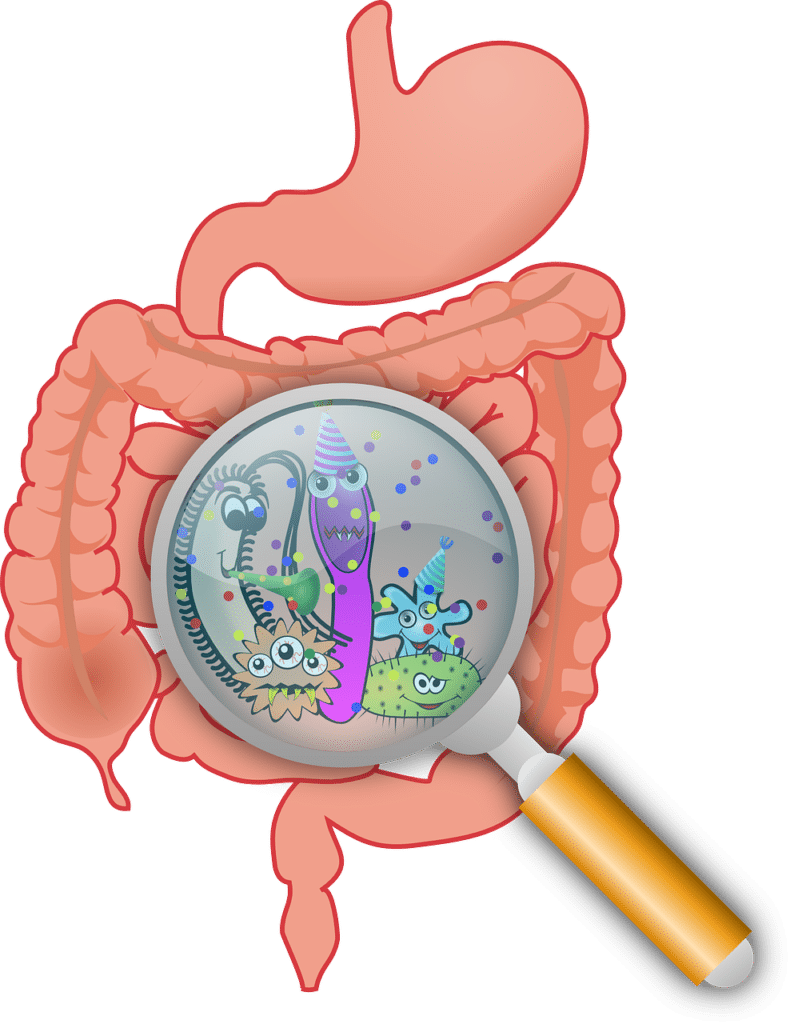
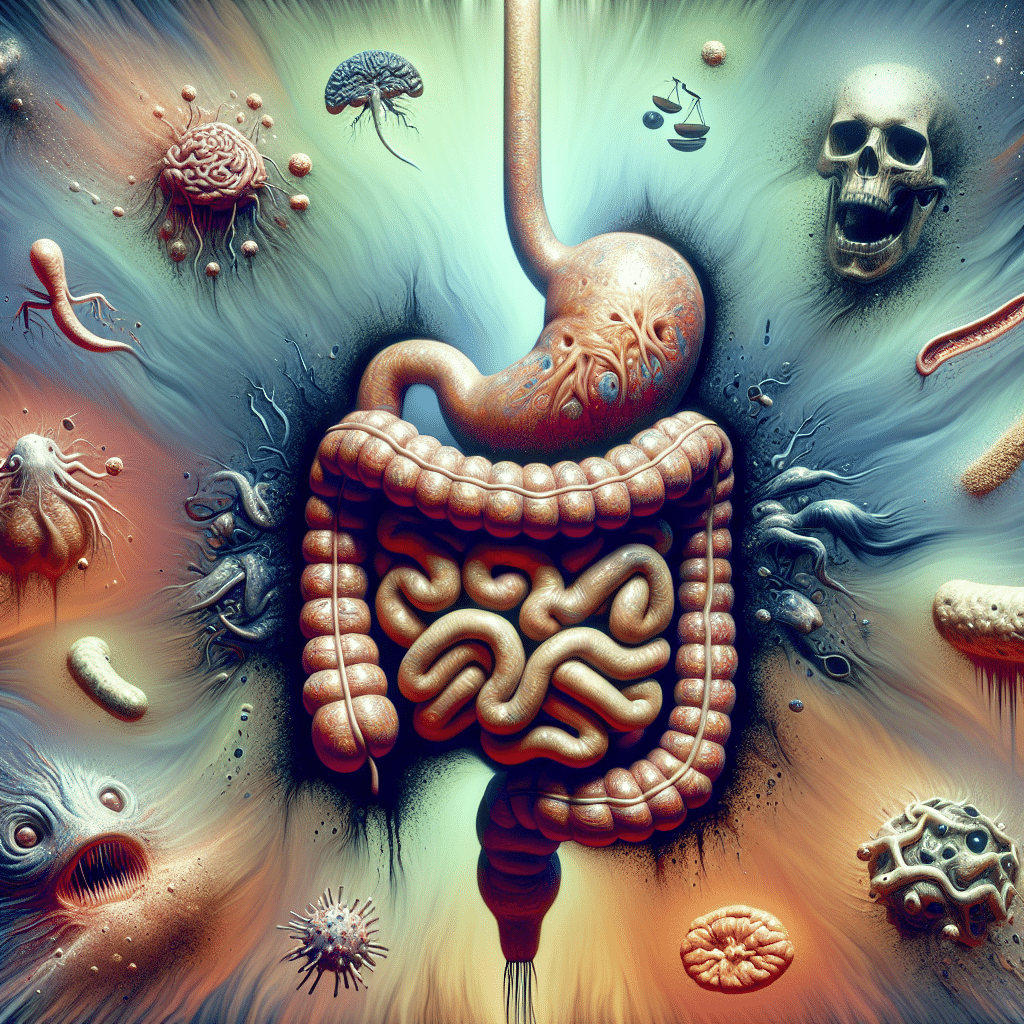
An unhealthy gut refers to an imbalance in the gut microbiota, known as dysbiosis, which can have detrimental effects on our digestion and nutrient absorption. Our gut is home to trillions of bacteria, both good and bad, that play a crucial role in maintaining our overall health. When the balance of these bacteria is disrupted, it can lead to various health issues and complications and we need to be aware of the signs of an unhealthy gut.
Imbalance of Gut Microbiota
The gut microbiota is a diverse community of microorganisms that reside in our digestive tract. These microorganisms, including bacteria, viruses, and fungi, help break down food, produce vitamins, regulate the immune system, and maintain the integrity of the gut lining. However, when there is an imbalance in the composition of gut flora, it can disrupt these vital functions and lead to an unhealthy gut.
Dysbiosis
Dysbiosis refers to an imbalance or disruption in the gut microbiota composition. This can occur due to factors such as poor diet, stress, inadequate sleep, medications, and infections. When there is an overgrowth of harmful bacteria or a decrease in beneficial bacteria, it can cause inflammation, damage to the gut lining, and impairment of digestive processes.
Effects on Digestion and Nutrient Absorption
An unhealthy gut can have a profound impact on our digestion and nutrient absorption. When the gut microbiota is imbalanced, it can lead to digestive issues such as bloating, gas, diarrhoea, constipation, and abdominal pain. Additionally, the gut bacteria play a crucial role in breaking down and absorbing nutrients from the food we eat. A disrupted gut microbiota can impair this process, leading to nutrient deficiencies and poor overall health.
How do I recognise the signs of an unhealthy gut?
Several factors can contribute to the development of an unhealthy gut. Understanding these causes can help us make informed choices to improve our gut health and overall well-being.
Poor Diet
A diet high in processed foods, sugar, unhealthy fats, and fibre can disrupt the balance of gut bacteria. These unhealthy dietary choices can promote the growth of harmful bacteria and lead to an unhealthy gut environment.
Stress
Chronic stress can have a negative impact on our gut health. Stress can disrupt the delicate balance of gut bacteria and impair digestive processes. Additionally, stress can also increase the permeability of the gut lining, leading to a condition known as “leaky gut,” which allows toxins and harmful substances to enter the bloodstream.
Inadequate Sleep
Lack of quality sleep can contribute to an unhealthy gut. Sleep deprivation can alter the composition of gut bacteria, increase inflammation in the gut, and impair digestion. It is important to prioritise getting enough restful sleep to support a healthy gut.
Medications
Certain medications, such as antibiotics, proton pump inhibitors, and nonsteroidal anti-inflammatory drugs (NSAIDs), can disrupt the balance of gut bacteria. Antibiotics, although necessary in some cases, can eliminate both harmful and beneficial bacteria, leading to an imbalance. Overuse of NSAIDs and proton pump inhibitors can also negatively impact gut health.
Infections
Infections, particularly those affecting the gastrointestinal tract, can disrupt the balance of gut bacteria and lead to an unhealthy gut. Bacterial, viral, and parasitic infections can cause inflammation, damage to the gut lining, and alter the composition of the gut flora.
Symptoms of an Unhealthy Gut
Recognising the symptoms and signs of an unhealthy gut is essential for early intervention and improving gut health. Here are some common signs to watch out for:
Digestive Issues
Digestive issues such as bloating, gas, diarrhoea, constipation, abdominal pain, and indigestion are common symptoms of an unhealthy gut. These symptoms often indicate an imbalance in the gut microbiota and impaired digestive processes.
Food Intolerances
Developing food intolerances or sensitivities can be a sign of an unhealthy gut. When the gut lining is damaged or inflamed, it may become more permeable, allowing undigested food particles to enter the bloodstream. This can trigger an immune response and lead to food intolerances.
Unexpected Weight Changes
Unexplained weight loss or weight gain can be indicative of an unhealthy gut. Imbalances in gut bacteria can affect our metabolism, energy utilisation, and the absorption of nutrients, leading to changes in weight.
Skin Problems
The health of our gut can have a direct impact on the condition of our skin. An unhealthy gut can contribute to the development of skin issues such as acne, eczema, psoriasis, and rosacea. Inflammation and imbalances in gut bacteria can trigger or worsen these skin conditions.
Fatigue and Lack of Energy
Feeling constantly fatigued, low in energy, and experiencing brain fog can be signs of an unhealthy gut. When the gut is not functioning optimally, it can impair the absorption of key nutrients needed for energy production, leading to fatigue and a lack of vitality.
Mood Disorders
The gut is often referred to as the “second brain” due to the strong connection between gut health and mental well-being. Imbalances in gut bacteria can disrupt the production of neurotransmitters such as serotonin, which plays a crucial role in regulating mood. An unhealthy gut has been associated with mood disorders such as anxiety, depression, and even cognitive decline.
Weakened Immune System
The gut plays a vital role in maintaining a strong immune system. When the gut microbiota is imbalanced, it can weaken the immune response, making us more susceptible to infections, allergies, and autoimmune disorders. Frequent illnesses and a history of recurrent infections may indicate an unhealthy gut.
How to Identify Bad Gut Bacteria
Identifying the presence of bad gut bacteria is essential for targeted interventions to restore gut health. Here are some methods commonly used to identify imbalances in gut bacteria:
Stool Analysis
Stool analysis, also known as a stool test, can provide valuable insights into the composition of the gut microbiota. It involves collecting a stool sample and analysing it for the presence of different types of bacteria, parasites, and other microorganisms. Stool analysis can help identify specific bacteria that may be causing an imbalance in the gut.
Breath Tests
Breath tests are commonly used to diagnose conditions such as small intestinal bacterial overgrowth (SIBO) and lactose intolerance. These tests involve consuming a specific substance, usually sugar, and measuring the gases produced by the gut bacteria as they break down the substance. Elevated levels of specific gases can indicate the presence of bad gut bacteria.
Endoscopy and Biopsy
In some cases, a more invasive procedure, such as endoscopy, may be required to directly visualise the state of the gut lining and collect tissue samples for further analysis. Biopsy samples can provide detailed information about the presence and location of bad gut bacteria, as well as any underlying inflammation or damage to the gut lining.
Health Risks Associated with Bad Gut Bacteria
Having imbalances in gut bacteria can increase the risk of various health conditions and diseases. Here are some health risks associated with bad gut bacteria:
Inflammatory Bowel Disease (IBD)
Imbalances in gut bacteria have been implicated in the development and progression of inflammatory bowel diseases such as Crohn’s disease and ulcerative colitis. These conditions involve chronic inflammation of the digestive tract and can significantly impact quality of life.
Irritable Bowel Syndrome (IBS)
Irritable bowel syndrome is a common gastrointestinal disorder characterised by symptoms such as abdominal pain, bloating, and changes in bowel habits. While the exact cause of IBS is unclear, imbalances in gut bacteria are believed to contribute to its development and symptom severity.
Autoimmune Disorders
An unhealthy gut can trigger or exacerbate autoimmune disorders. Imbalances in gut bacteria can lead to increased intestinal permeability, allowing toxins and undigested food particles to leak into the bloodstream. This can trigger an immune response and contribute to the development of autoimmune conditions such as rheumatoid arthritis, multiple sclerosis, and Hashimoto’s thyroiditis.
Obesity
Emerging research suggests that imbalances in gut bacteria may play a role in the development of obesity. Certain types of gut bacteria are associated with increased calorie extraction from food and promoting fat storage, while others may have the opposite effect. Restoring a healthy balance of gut bacteria may aid in weight management and prevent obesity.
Type 2 Diabetes
An unhealthy gut has been linked to an increased risk of developing type 2 diabetes. Imbalances in gut bacteria can affect the body’s ability to regulate blood sugar levels, leading to insulin resistance and impaired glucose metabolism.
Heart Disease
There is growing evidence to suggest that an unhealthy gut may contribute to the development of heart disease. Imbalances in gut bacteria can promote systemic inflammation and increase the production of certain metabolites that are associated with cardiovascular risk factors such as high cholesterol and blood pressure.

Ways to Improve Gut Health
Fortunately, there are several strategies we can implement to improve our gut health. Here are some effective ways to support a healthy gut:
Probiotics
Probiotics are beneficial bacteria that can help restore the balance of the gut microbiota. They can be consumed through fermented foods such as yoghurt, sauerkraut, kimchi, and kefir, or through supplements. Probiotics can promote the growth of good gut bacteria, support digestion, and strengthen the immune system.
Prebiotic Foods
Prebiotics are non-digestible fibres that serve as food for the beneficial bacteria in our gut. Including prebiotic-rich foods in our diet, such as onions, garlic, leeks, asparagus, and bananas, can support the growth and activity of good gut bacteria.
Fibre-rich Diet
Consuming an adequate amount of dietary fibre is crucial for maintaining a healthy gut. Fibre acts as a prebiotic, promoting the growth of beneficial gut bacteria. It also helps regulate bowel movements, reduces the risk of constipation, and supports overall digestive health. Good sources of fibre include fruits, vegetables, whole grains, legumes, and nuts.
Reducing Stress
Managing stress is essential for improving gut health. Chronic stress can disrupt the balance of gut bacteria and impair digestive processes. Implementing stress management techniques such as exercise, meditation, deep breathing, and engaging in hobbies can help reduce stress and support a healthy gut.
Adequate Sleep
Prioritising quality sleep is crucial for maintaining a healthy gut. Sleep deprivation can disrupt the composition of gut bacteria, increase inflammation in the gut, and impair digestion. Aim for a consistent sleep schedule and create a relaxing bedtime routine to optimise sleep quality.
Regular Exercise
Engaging in regular physical activity can have a positive impact on gut health. Exercise helps regulate bowel movements, reduces inflammation, and promotes a diverse and healthy gut microbiota. Aim for at least 30 minutes of moderate-intensity exercise most days of the week.
Foods to Avoid for a Healthy Gut
In addition to incorporating gut-friendly foods into our diet, it is important to limit or avoid certain foods that can negatively impact gut health. Here are some foods to avoid for a healthy gut:
Processed Foods
Processed foods are often high in unhealthy fats, sugars, and artificial additives, all of which can disrupt the balance of gut bacteria and promote inflammation. Choose whole, unprocessed foods whenever possible.
Sugar and Artificial Sweeteners
Excessive consumption of sugar and artificial sweeteners can feed harmful gut bacteria and promote their overgrowth. This can disrupt the balance of the gut microbiota and contribute to an unhealthy gut. Choose natural sweeteners such as stevia, honey, or maple syrup in moderation.
Refined Grains
Refined grains, such as white flour and white rice, have been stripped of their fibre content and many beneficial nutrients. These refined grains can increase the risk of digestive issues and promote the growth of harmful gut bacteria. Choose whole grains such as brown rice, quinoa, and whole wheat instead.
Dairy Products
Some individuals may be intolerant to lactose or have difficulty digesting dairy products due to imbalances in gut bacteria. If you experience digestive issues or suspect a dairy intolerance, consider reducing or eliminating dairy from your diet.
Fried and Greasy Foods
Fried and greasy foods can be difficult to digest and can increase the risk of digestive issues such as bloating, indigestion, and abdominal discomfort. Go for healthier cooking methods such as baking, grilling, or steaming.
Alcohol and Caffeine
Excessive alcohol and caffeine consumption can disrupt the balance of gut bacteria, irritate the gut lining, and impair digestion. It is important to consume these substances in moderation and stay well-hydrated.
Natural Remedies for Gut Health
In addition to dietary and lifestyle changes, certain natural remedies can support gut health. Here are some effective natural remedies:
Digestive Enzymes
Digestive enzymes are supplements that can aid in the digestion and absorption of nutrients. They help break down proteins, carbohydrates, and fats, supporting optimal digestion and relieving the symptoms of an unhealthy gut.
Herbal Teas
Certain herbal teas, such as chamomile, peppermint, ginger, and liquorice root, have been traditionally used to soothe digestive issues and support gut health. These teas can help reduce inflammation, support digestion, and promote overall well-being.
Ginger and Turmeric
Ginger and turmeric are both potent anti-inflammatory herbs that can benefit gut health. They can help reduce gut inflammation, support digestion, and promote a healthy gut microbiota. Consider adding fresh or powdered ginger and turmeric to your meals or enjoying them in teas or smoothies.
Bone Broth
Bone broth is rich in nutrients and collagen, both of which can support gut health. It is believed to help heal and seal the gut lining, reducing inflammation and supporting the growth of beneficial gut bacteria.
Aloe Vera
Aloe vera has long been used for its healing properties, including supporting gut health. Aloe vera gel may help soothe inflammation in the gut, support digestion, and promote a healthy gut lining. It can be consumed as a juice or added to smoothies.
Apple Cider Vinegar
Apple cider vinegar has been touted for its numerous health benefits, including promoting gut health. It can help improve digestion, support the growth of beneficial gut bacteria, and reduce inflammation. Dilute apple cider vinegar in water and consume it before meals for best results.
Importance of a Healthy Gut
Maintaining a healthy gut is vital for our overall health and well-being. Here are some reasons why a healthy gut is important:
Maintaining Overall Health
A healthy gut is essential for maintaining overall health. It supports proper digestion, nutrient absorption, and the elimination of waste. It also plays a crucial role in regulating the immune system, preventing infections, and protecting against various diseases.
Stronger Immune System
Approximately 70% of our immune system is located in our gut. A healthy gut microbiota helps regulate immune responses, reduces inflammation, and protects against harmful pathogens. A balanced gut microbiota supports a robust immune system, making us less susceptible to infections and autoimmune disorders.
Improved Mental Health
There is a strong connection between gut health and mental well-being. The gut is often referred to as the “second brain” due to the complex network of nerves and neurotransmitters it contains. An unhealthy gut has been linked to mood disorders such as anxiety and depression. On the other hand, a healthy gut microbiota can produce neurotransmitters such as serotonin, which plays a crucial role in regulating mood and promoting overall mental health.
Enhanced Nutrient Absorption
A healthy gut is essential for optimal nutrient absorption. The gut bacteria aid in the breakdown of food and the absorption of essential nutrients such as vitamins, minerals, and amino acids. When the gut microbiota is imbalanced, it can impair this process, leading to nutrient deficiencies and poor overall health.
When to Consult a Healthcare Professional
While certain lifestyle changes and natural remedies can significantly improve gut health, it is important to seek medical advice when experiencing persistent or severe gut-related issues. Here are some situations where it may be necessary to consult a healthcare professional:
Persistent Digestive Issues
If you experience persistent digestive issues such as severe abdominal pain, blood in the stool, unexplained weight loss or gain, or changes in bowel habits that last longer than a few weeks, it is important to seek medical attention. These symptoms may indicate an underlying condition that requires medical intervention.
Severe Weight Loss or Gain
Unexplained and significant weight loss or gain can be indicative of an underlying health issue, including an unhealthy gut. If you experience rapid weight changes without any apparent cause, it is advisable to consult a healthcare professional to rule out any serious conditions and receive appropriate treatment.
Chronic Skin Problems
Chronic skin problems such as acne, eczema, psoriasis, and rosacea may be linked to an unhealthy gut. If you have tried various treatments with no success or are experiencing persistent skin issues, it is advisable to consult a dermatologist or healthcare professional who can help identify the underlying cause and provide suitable treatment options.
Unexplained Fatigue or Low Energy
Persistent fatigue, low energy levels, and brain fog can be signs of an unhealthy gut. If you consistently experience these symptoms despite getting adequate rest and sleep, it is important to consult a healthcare professional to rule out any underlying medical conditions and address the root cause.
Mental Health Concerns
If you are experiencing persistent or worsening mental health concerns such as anxiety, depression, or cognitive decline, it is essential to seek help from a qualified mental health professional. While an unhealthy gut can contribute to these conditions, a comprehensive approach that addresses both gut and mental health may be necessary.
Frequent Infections
Frequent infections, especially respiratory, urinary, or gastrointestinal infections, may be indicative of a weakened immune system or an underlying gut issue. If you find yourself falling ill frequently or experiencing recurrent infections, it is advisable to consult a healthcare professional to determine the underlying cause and receive appropriate treatment.
In conclusion, maintaining a healthy gut is crucial for our overall health and well-being. Imbalances in gut bacteria can have profound effects on our digestion, nutrient absorption, immune system, and mental health. By making dietary and lifestyle changes, identifying and addressing imbalances in gut bacteria, and seeking medical advice when necessary, we can improve our gut health and enhance our overall quality of life.
